iRobot
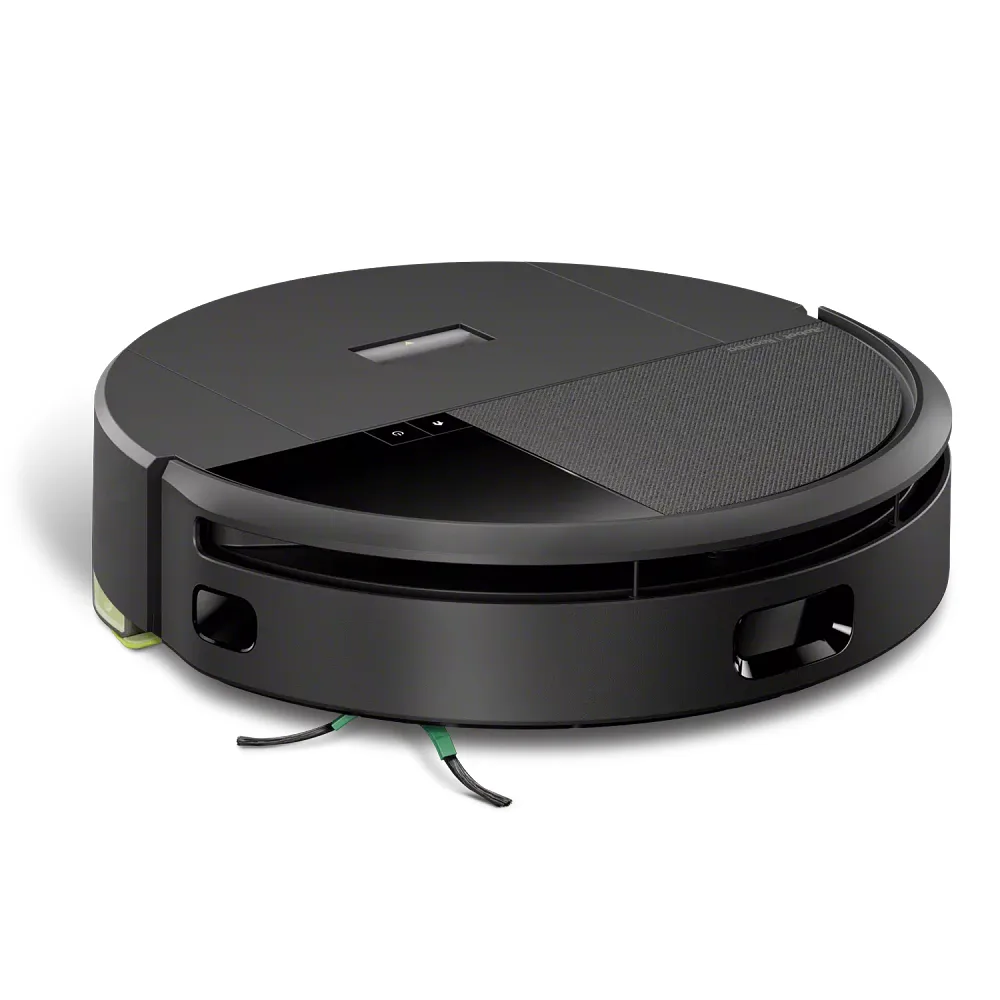
iRobot Roomba 205 DustCompactor Vac
The 205's pitch is genuinely novel: instead of a bulky, loud self-empty dock, a mechanical press inside the robot compacts debris into a 1.55 L bin so you only empty it every month or two. If you live in an apartment where a knee-high dock tower is a dealbreaker — or you just hate the jet-engine roar of auto-empty stations — this is the only robot on the market solving the problem this way, and it's bagless, so there are no dust bags to buy forever. Navigation is the same ClearView LiDAR as the rest of iRobot's new lineup: tidy rows, up to three floor maps, works in the dark. The honest picture from reviews and owners: dry pickup is good for the price, but there's no obstacle avoidance so floor clutter gets eaten, iRobot publishes no suction figure, and the compactor works best with dry, fluffy debris — fine dust and big volumes of pet hair shorten the 60-day claim considerably. Long-term reviewers also flag that emptying the compacted brick is a slightly gross two-hand job when it finally comes due. Skip the Combo version (its drag-behind mop can't cross rugs and reviewers panned it); as a pure vacuum at ~$150, the 205 is a clever, space-saving pick.
Discontinued — no longer sold new
The manufacturer has retired this model; remaining listings are typically refurbished or leftover stock at odd prices. We keep the page for owners. Its current replacement is Roomba 105 Vac.
Specifications
Highlights
Pros
- ✓Internal compactor delivers weeks of hands-free running with zero dock footprint
- ✓Bagless — no recurring dust-bag cost, unlike every auto-empty rival
- ✓ClearView LiDAR maps up to 3 floors and cleans in neat rows
- ✓Quieter day-to-day than any robot that blasts debris into a dock
- ✓Low 3.98 in profile slips under sofas and beds
- ✓Cheap at ~$150 street versus its $450 launch price
Cons
- ✗No obstacle avoidance — cables, socks, and pet surprises are all at risk
- ✗60-day empty claim shrinks fast with fine dust or heavy pet hair
- ✗Emptying the compacted debris brick is an awkward, messy chore
- ✗iRobot publishes no suction spec, and deep-carpet cleaning is mid-pack
- ✗Combo (mop) variant is best avoided — pad blocks rug crossing
Owner Insights
The 205 DustCompactor attacks the most annoying thing about robot vacuums - constant bin emptying - with a genuinely novel answer: instead of a bulky, roaring self-empty dock, a motorized paddle inside the robot compresses debris into a 1.55 L bin you empty every month or two. For apartment dwellers who refuse to give floor space to a dock tower, or anyone who hates the auto-empty jet-engine noise, it's literally the only machine on the market built this way, and it's bagless, so nothing to buy forever.
The execution is where owner experience splits. In low-shed households the compactor delivers - weeks pass between empties, LiDAR keeps coverage orderly across up to three floors, and pickup is solid for the price. But pet hair fills the bin far faster than the 60-day claim and can bind the paddle, emptying the compressed dust brick is a scatter-prone chore best done over an outdoor bin, and the platform's navigation and app draw consistent criticism - route anomalies, mapping quirks, and bugs that Roborock's software simply doesn't have. It's also louder than you'd expect from a robot with no dock to blame.
Buy it on sale ($150-250) if you're a tidy, low-to-moderate-shed household in an apartment where dock size and dock noise are dealbreakers - that's the niche it owns outright. Heavy pet homes should go the opposite way: a bagged self-empty machine like the Roborock QV 35A (~$380) handles hair without paddle jams and adds mopping, making it the strongest alternative. And if you just want a cheap, dependable LiDAR vacuum and don't mind emptying a normal bin weekly, the Roomba 105 or Eufy 11S Max cost less still.
Pros
- +The compactor genuinely stretches emptying intervals - a motorized paddle squashes dust, fluff, and hair to one side of the 1.55 L bin, and owners in low-shed homes really do go several weeks to two months between empties
- +No dock tower at all: it's the only robot solving self-emptying inside the robot, so apartment owners get long emptying intervals without sacrificing floor space to a knee-high station
- +No auto-empty roar - skipping the dock means skipping the jet-engine emptying cycle that makes conventional self-empty robots apartment-hostile
- +Bagless by design, so there are zero proprietary dust bags to buy forever - a real running-cost win over bagged docks
- +ClearView LiDAR maps up to three floors and cleans in orderly rows, day or night - a huge step past iRobot's old bump-and-wander budget bots
- +Vacuum pickup itself is decent for the class on hard floors and low-pile carpet, per both reviewers and retail owners
- +Frequently discounted to $150-250, and iRobot's US support and parts network backs it
Cons
- −Emptying the compacted bin is the irony nobody warns you about: the compressed brick of dust and hair scatters easily on the way to the trash, so the chore is rarer but messier - allergy sufferers should empty it outdoors
- −Shedding pets undermine the whole concept - hair fills the bin far faster than 60 days and can wrap or jam the compactor paddle, and reviewers call the system impractical for heavy-shed homes
- −Navigation draws real criticism: reviewers and some owners report anomalies, undependable route choices, and unrefined mapping compared with Roborock equivalents
- −It's noisy in operation - 'very noisy' shows up in both professional and owner reviews
- −The app is buggier than iRobot's older software, with mapping edits and schedules occasionally misbehaving
- −No obstacle avoidance and no carpet detection - it will eat cables and needs a pre-tidied floor
- −Reviewer verdicts on the 205 platform are harsh at list price - TechRadar called the Combo variant 'a crushing disappointment' - so this is a sale-price purchase only
Common Questions
Compare the iRobot Roomba 205 DustCompactor Vac
Related vacuums
More from iRobot →Best for Budget buyers who want real LiDAR mapping and self-empty without mopping
Check price →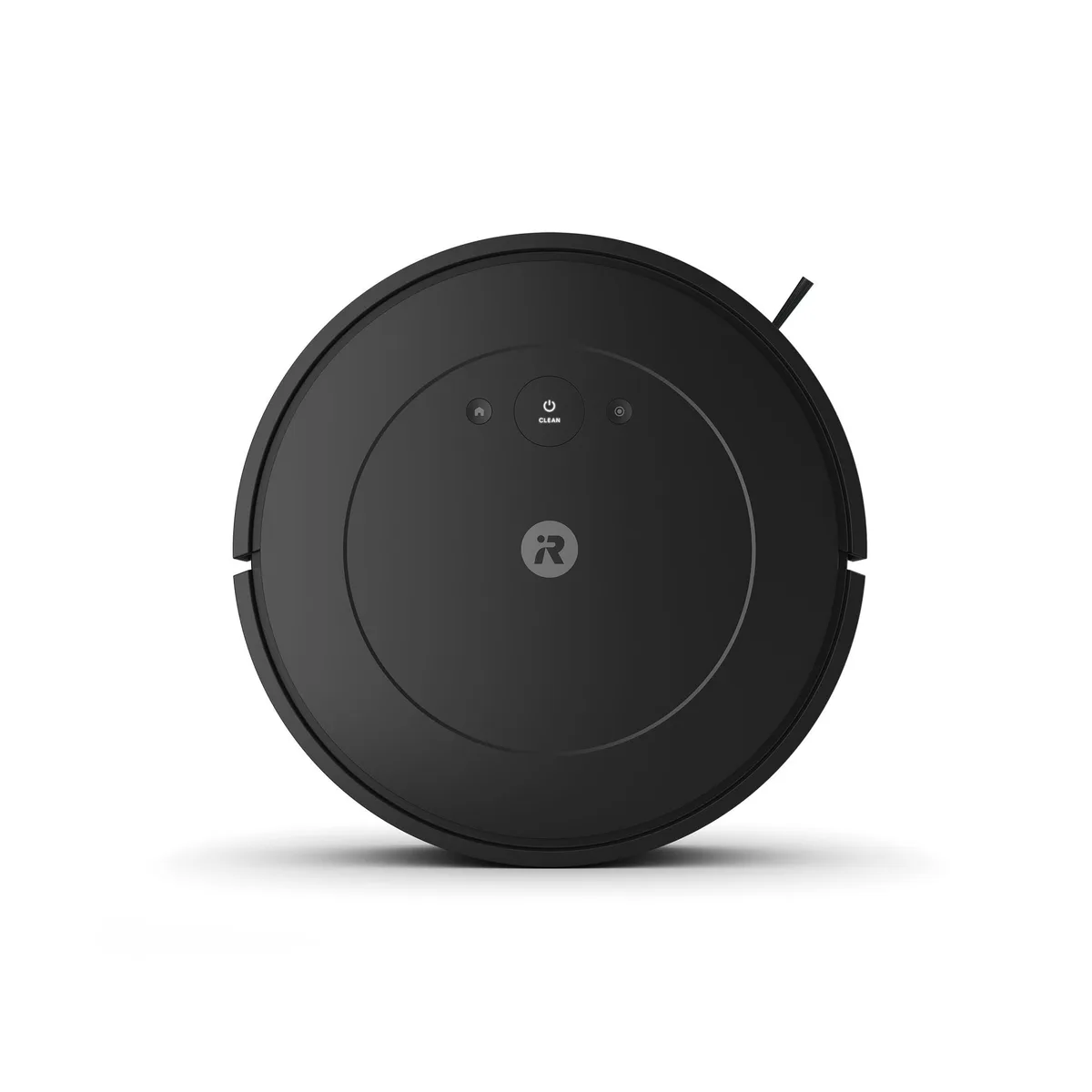
iRobot · Robot Vacuum
~$100
Roomba Vac Essential
- Runtime
- 120 min
- Nav
- Gyroscope
- Weight
- 5.84 lbs
- Carpet
- Hard floor
- Pet hair
Best for Small homes on a tight budget who just want a Roomba badge and basic app control
Check price →iRobot · Robot Vacuum
~$500
iRobot Roomba Max 715 Vac + AutoEmpty Dock
- Nav
- LiDAR + Camera
- Weight
- 7.5 lbs
- Carpet
- Hard floor
- Pet hair
Best for Carpet-heavy homes that want a camera-guided vacuum without a mop
At iRobot →Best for Vacuum-only buyers who want real LiDAR mapping without paying for mopping
Check price →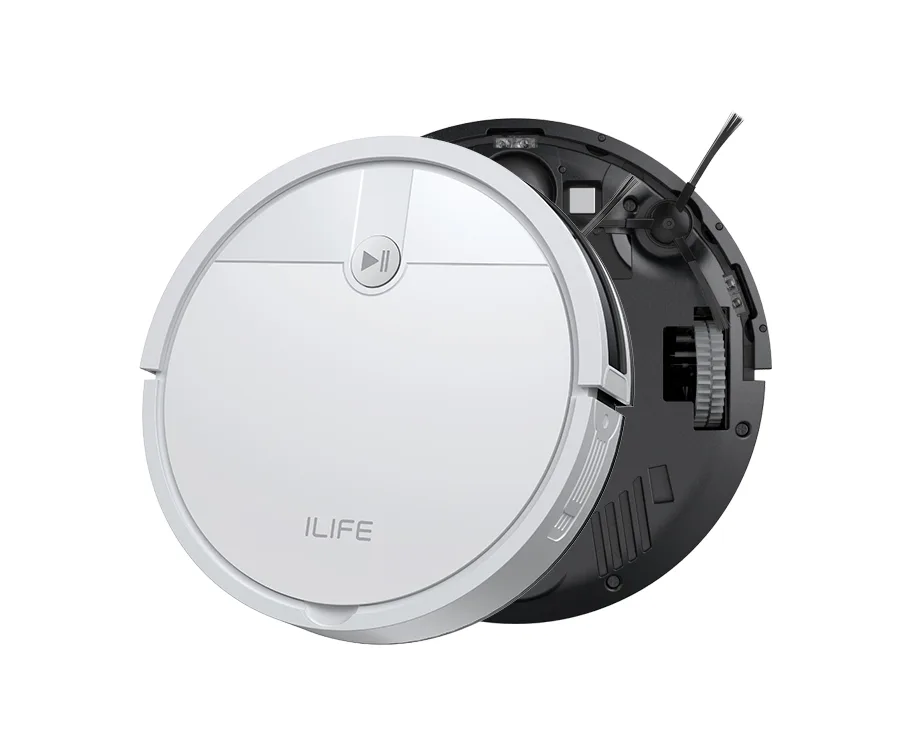
Best for Budget buyers who specifically want no app/no cloud simplicity
Check price →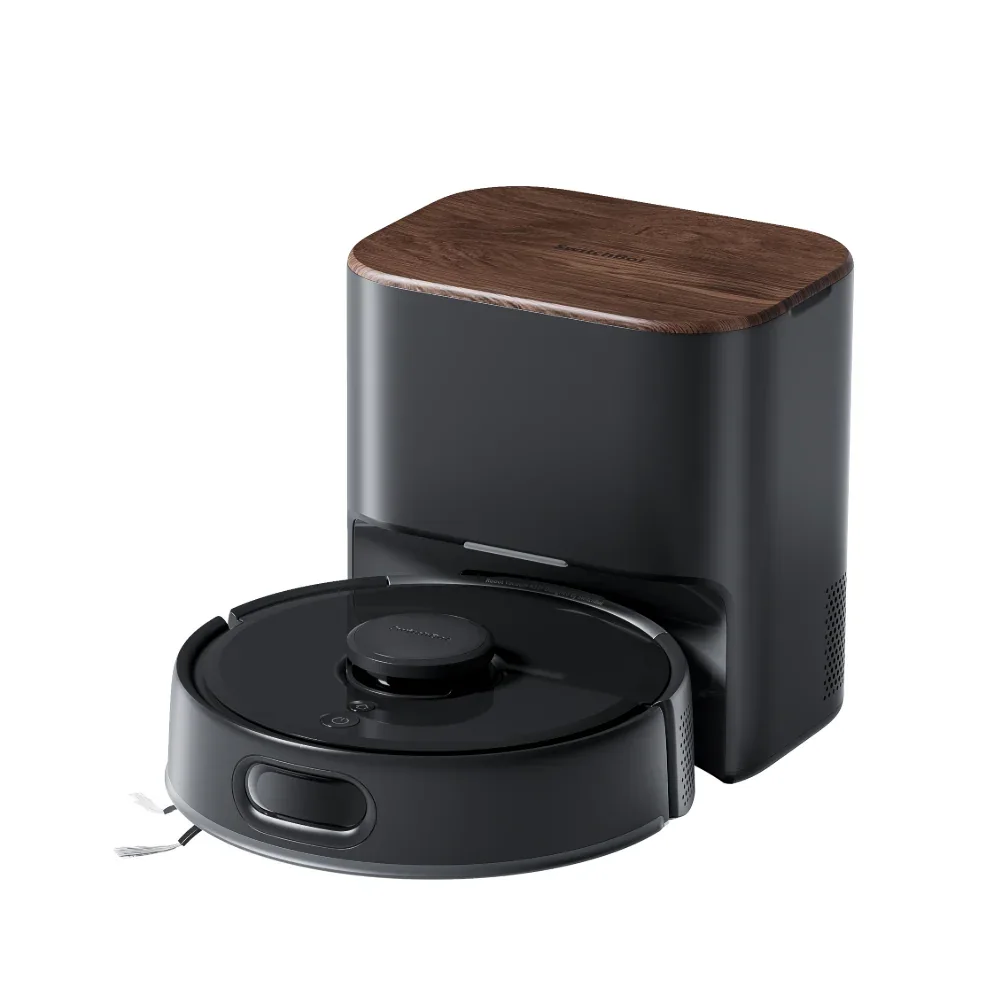
SwitchBot · Robot Vacuum
~$240
SwitchBot K11+
- Suction
- 6000 Pa
- Nav
- LiDAR
- Weight
- 5.1 lbs
- Carpet
- Hard floor
- Pet hair
Best for Small apartments that want self-emptying without mopping or a bulky dock
Check price →