Roborock Saros 20 Sonic vs Roborock Saros 20
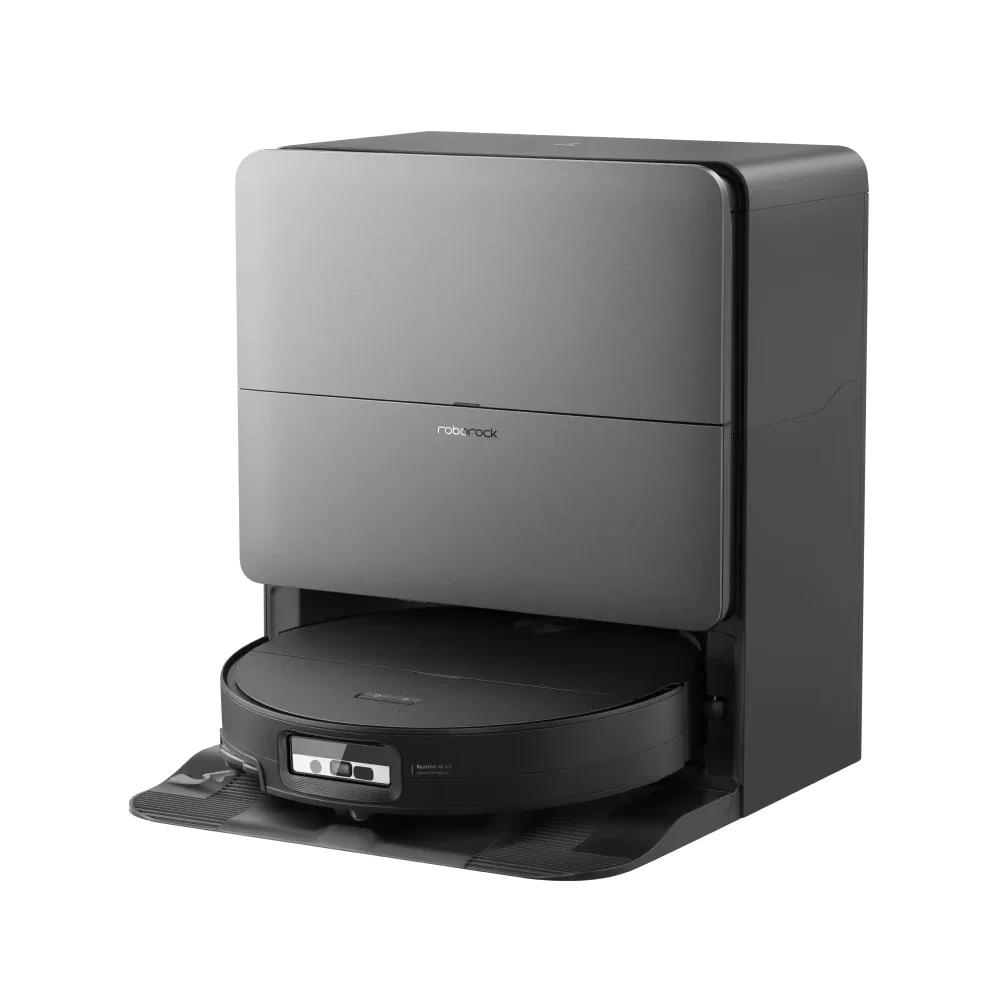
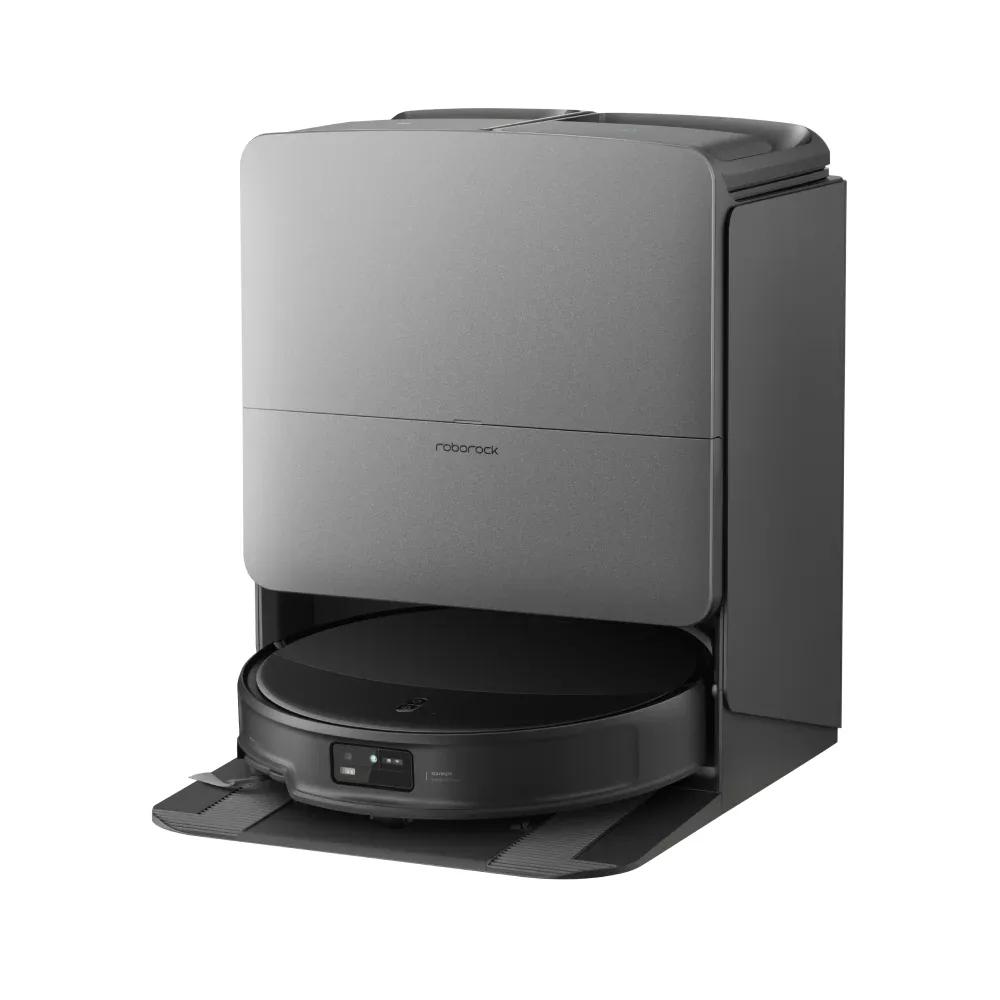
Quick take: The Roborock Saros 20 costs $100 less; the Roborock Saros 20 runs longer per charge (200 vs 180 min).
Which one to buy
Paying $100 more for the Sonic buys a worse mop. These two Saros 20 models share the 36000 Pa rating, the 3.1 in body, the AdaptiLift 3.0 chassis rated for 3.46 in double thresholds, and a dock that washes pads in 212°F water. The difference is the pad. The standard Saros 20 uses dual spinning mops, which scored 116 on dried stains in testing with very little excess water. The Sonic's vibrating flat pad scored 62 against a 108 average, and its owners say baked-on messes survive.
The Sonic answers with slightly better vacuuming. Its 92% carpet deep-clean score edges the standard model's 89%, and it avoided 19 of 24 test obstacles against the Saros 20's 17. Both cleared a 57mm threshold and both recorded zero hair wrap. On pet hair the standard model did better, picking up 88% of flattened hair against the Sonic's 78%. It also runs 200 minutes against 180 and has a slightly bigger bin.
Owners of both note how new they are, with little long-term data. Sonic owners mention one dock that died inside a month. Saros 20 owners say the dock is heavy and the app buries multi-floor setup under too many modes, and that coverage per charge sits below average.
For almost everyone the standard Saros 20 is the better robot and the cheaper one. The Sonic only earns its premium in a carpet-heavy, cluttered home where mopping hardly matters.
Roborock Saros 20 Sonic
Only worth the extra $100 in a carpet-heavy, cluttered home that barely mops, where its 92% carpet score and slightly better avoidance count most.
Roborock Saros 20
For most homes, especially with pets or hard floors to scrub, it mops far better, picks up more pet hair and costs $100 less.
| Spec | Roborock Saros 20 Sonic | Roborock Saros 20 |
|---|---|---|
| Price | ~$1,700 | ~$1,600 |
| Type | Robot Vacuum & Mop | Robot Vacuum & Mop |
| Suction | 36000 Pa | 36000 Pa |
| Battery | 180 min | 200 min |
| Navigation | LiDAR + Camera | LiDAR + Camera |
| Filtration | — | — |
| Cordless | Yes | Yes |
| Bagged | — | — |
| Noise | 60 dB | 60 dB |
| Dustbin | 228 ml | 259 ml |
| Water tank | 70 ml | 69 ml |
| Self-empty dock | Yes | Yes |
| Auto mop washing | Yes | Yes |
| Hot water washing | Yes | Yes |
| Obstacle avoidance | Yes | Yes |
| Carpet detection | Yes | Yes |
| Auto mop lifting | Yes | Yes |
| Multi-floor mapping | Yes | Yes |
| App control | Yes | Yes |
| Dimensions | 13.8 x 13.9 x 3.1 in | 13.8 x 13.9 x 3.1 in |
| Weight | 11.2 lbs | 11.1 lbs |
| Warranty | 1 year | 1 year |
Pros & cons
Roborock Saros 20 Sonic
- ✓Massive 36,000Pa suction with a dual Zero-Tangle system that shrugs off long hair
- ✓VibraRise 5.0 sonic mop scrubs at 4,000 vibrations per minute with 14N of downward pressure and 27% better corner coverage
- ✓AdaptiLift 3.0 chassis climbs double-layer thresholds up to 3.46 inches - the best in the industry
- ✓Reactive AI 3.0 recognizes over 300 object types using tri-laser structured light, an RGB camera, and VertiBeam side laser
- ✓New RockDock washes pads with 212°F hot water, auto-doses detergent, and holds about 65 days of debris in a 2.7L bag
- ✗Premium $1,699.99 price sits at the very top of the robot vacuum market
- ✗Small 228ml onboard dustbin and 70ml water tank lean heavily on frequent dock returns
- ✗D-shaped sonic pad still can't reach fully into hard corners despite the extendable arm
- ✗Large RockDock needs significant floor space and camera-based navigation raises privacy considerations
Roborock Saros 20
- ✓AdaptiLift 3.0 chassis climbs double-layer thresholds up to 3.46 inches - unmatched for split-level homes
- ✓36,000Pa suction and a 6,400mAh battery cover large homes with up to 200 minutes of runtime
- ✓Embedded 3D ToF StarSight 2.0 LiDAR keeps the body at 3.1 inches to slide under low furniture
- ✓Dual spinning mops apply adaptive pressure up to 13N and get washed in 212°F hot water at the dock
- ✓Recognizes around 300 obstacle types with VertiBeam lateral avoidance for cables and clutter
- ✗At $1,599.99 it costs flagship money without the Sonic's vibrating deep-scrub mop
- ✗Small 69ml onboard water tank means constant dock returns on big mopping jobs
- ✗259ml dustbin is modest for a vacuum aimed at large, complex homes
- ✗Tall multifunction dock demands a lot of floor and vertical clearance
Roborock Saros 20 Sonic vs Roborock Saros 20: common questions
Why does the Saros 20 Sonic mop worse than the regular Roborock Saros 20?▾
Its vibrating flat pad applies very little water and less scrubbing force than spinning pads. In testing it scored 62 on dried stains against a 108 average, while the standard Saros 20's spinning pads scored 116. The Sonic suits daily dust and footprints, not scrubbing.
Is the Saros 20 Sonic better at vacuuming than the Saros 20?▾
Marginally on carpet: 92% deep clean against 89%. It also avoided 19 of 24 obstacles to the standard model's 17. The Saros 20 did better on flattened pet hair, 88% against 78%, so pet households lose nothing by choosing it.
Do the Saros 20 and Saros 20 Sonic climb thresholds equally well?▾
Yes. Both use the AdaptiLift 3.0 chassis, and owners of each point to a 57mm single-step climb in testing. Roborock rates both for double-layer thresholds up to 3.46 in, so split-level homes are covered either way.