iRobot Roomba 205 DustCompactor Vac vs Eufy RoboVac 11S Max
Quick take: The iRobot Roomba 205 DustCompactor Vac costs $138 less; the iRobot Roomba 205 DustCompactor Vac runs longer per charge (120 vs 100 min).
Which one to buy
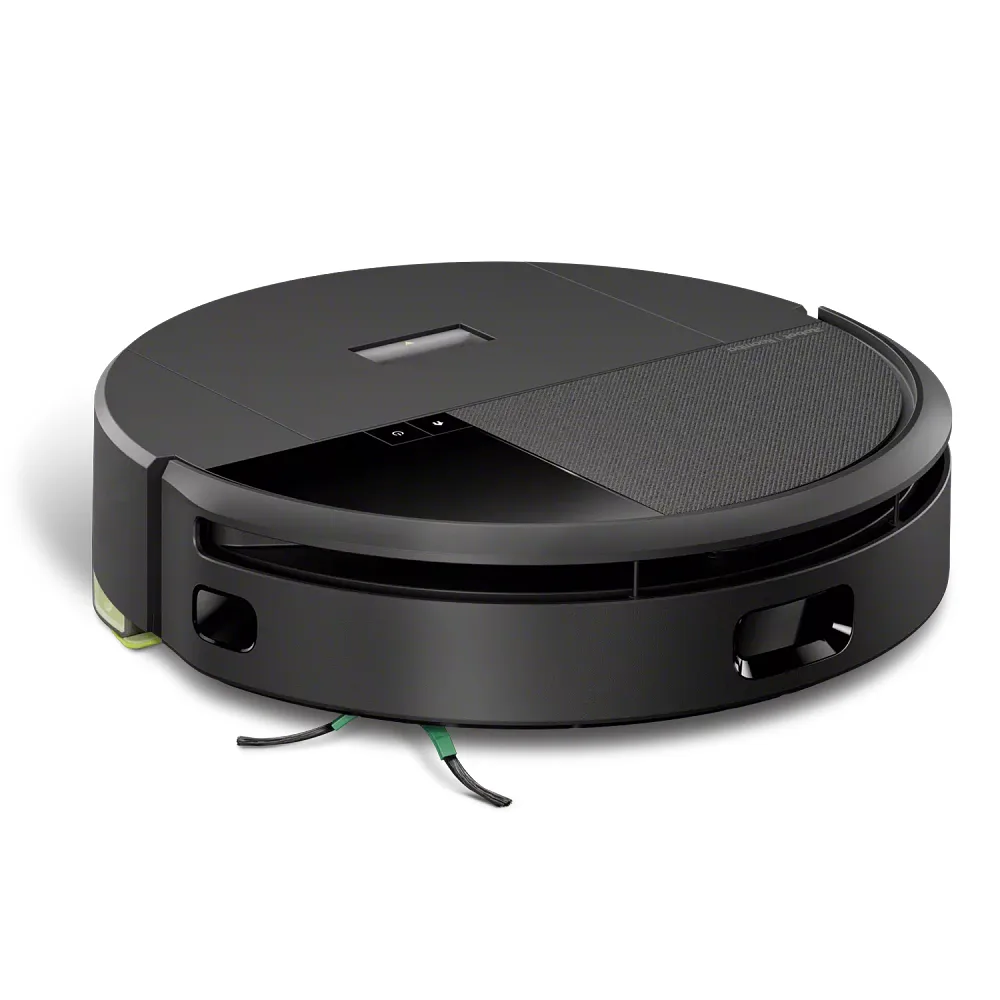
Mapped and rarely emptied, or simple and nearly unbreakable? That's the real choice, and the mapped one was $138 cheaper, though it is now discontinued and iRobot lists the Roomba 105 Vac as its replacement. The Roomba 205 DustCompactor Vac uses LiDAR to clean in rows across up to three floor maps, and a motorized paddle inside packs debris into a 1.55 L bin. Owners in low-shed homes say that really does mean weeks to two months between empties, with no dock tower and no dock roar. The Eufy RoboVac 11S Max has no app, no WiFi and no map. It bounces around until the floor is clean, runs from a button or remote, and empties from a 0.6 L bin after most runs in pet homes.
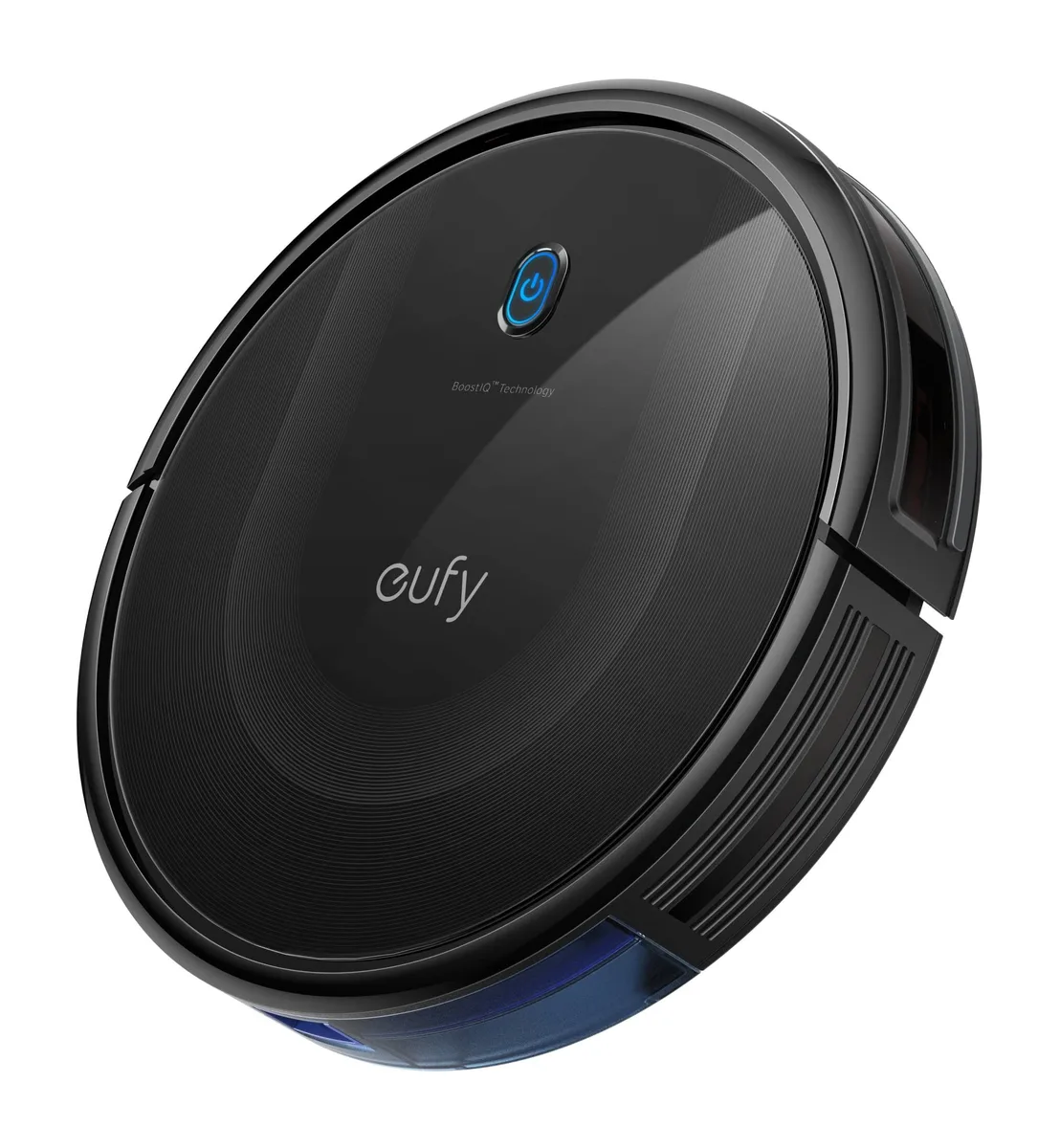
The 11S Max's owners are among the most loyal of any robot's. They describe units running for years on cheap filter, brush and battery swaps. At 2.85 inches it gets under furniture that blocks taller robots, and at 55 dB it's quiet enough to run during TV. Its weak points are physical: random coverage misses spots on any single run, dark floors can fool its cliff sensors so it circles or stops, thick rugs beach it, and it grabs cables and tassels.
The 205's owners are more divided. The compacted brick scatters dust when you empty it, so allergy sufferers do it outdoors. Shedding pets fill the bin far faster than the 60-day claim and can jam the paddle. Navigation anomalies, a buggier app and a noisy robot come up repeatedly, and there's no obstacle avoidance either.
Pick leftover 205 stock for a tidy, low-shed apartment where dock space and dock noise are the problem, and where room maps matter. Pick the 11S Max for a small home, an app-averse relative, very low furniture, or anyone who values years of trouble-free running over clever features. Heavy shedders should think hard about either.
iRobot Roomba 205 DustCompactor Vac
Now discontinued, but suits you if you live in a low-shed apartment with no room for a dock and want LiDAR maps and long gaps between emptying.
Eufy RoboVac 11S Max
Makes sense if you want a quiet, slim robot with no app or account and a long track record of lasting for years, and you're fine emptying it often.
| Spec | iRobot Roomba 205 DustCompactor Vac | Eufy RoboVac 11S Max |
|---|---|---|
| Price | ~$142 | ~$280 |
| Type | Robot Vacuum | Robot Vacuum |
| Suction | Not disclosed | 2000 Pa |
| Battery | 120 min | 100 min |
| Navigation | LiDAR | Random bounce |
| Filtration | — | — |
| Cordless | Yes | Yes |
| Bagged | — | — |
| Noise | — | 55 dB |
| Dustbin | 1.55 L | 0.6 L |
| Water tank | — | — |
| Self-empty dock | No | No |
| Auto mop washing | No | No |
| Hot water washing | No | No |
| Obstacle avoidance | No | No |
| Carpet detection | No | No |
| Auto mop lifting | No | No |
| Multi-floor mapping | Yes | No |
| App control | Yes | No |
| Dimensions | 14.13 x 14.09 x 3.98 in | 12.8 x 12.8 x 2.85 in |
| Weight | 8.44 lbs | 5.73 lbs |
| Warranty | 1 year | 1 year |
Pros & cons
iRobot Roomba 205 DustCompactor Vac
- ✓Internal compactor delivers weeks of hands-free running with zero dock footprint
- ✓Bagless — no recurring dust-bag cost, unlike every auto-empty rival
- ✓ClearView LiDAR maps up to 3 floors and cleans in neat rows
- ✓Quieter day-to-day than any robot that blasts debris into a dock
- ✓Low 3.98 in profile slips under sofas and beds
- ✓Cheap at ~$150 street versus its $450 launch price
- ✗No obstacle avoidance — cables, socks, and pet surprises are all at risk
- ✗60-day empty claim shrinks fast with fine dust or heavy pet hair
- ✗Emptying the compacted debris brick is an awkward, messy chore
- ✗iRobot publishes no suction spec, and deep-carpet cleaning is mid-pack
- ✗Combo (mop) variant is best avoided — pad blocks rug crossing
Eufy RoboVac 11S Max
- ✓Legendary reliability — owners report many years of daily service
- ✓Slimmest profile in its class reaches under low furniture
- ✓Very quiet at 55 dB; easy to live with while home
- ✓Zero setup or cloud dependency — remote control and go
- ✓BoostIQ auto-raises suction on carpet without drama
- ✓Often on sale well under $150
- ✗Random bounce navigation is slow and misses spots in larger homes
- ✗No mapping, no-go zones, or room-by-room cleaning
- ✗No app control or scheduling beyond the basic remote
- ✗Eats cables, cords, and rug tassels — pre-tidying required
- ✗Small 0.6 L bin needs emptying after most runs in pet homes
iRobot Roomba 205 DustCompactor Vac vs Eufy RoboVac 11S Max: common questions
Is the Roomba 205 DustCompactor worth it over the Eufy 11S Max for a home with shedding pets?▾
Not for its compactor. 205 owners say shedding pets fill the bin far faster than 60 days and can jam the paddle. The 11S Max handles pet hair well on hardwood and low-pile carpet, but owners empty its 0.6 L bin after nearly every run and cut hair off the brush weekly.
Which robot is quieter in a small apartment?▾
The Eufy 11S Max, rated at 55 dB and described by owners as quiet enough to run during TV. 205 owners like skipping the self-empty dock's roar but describe the robot itself as noisy in operation.
Will either one work on dark carpet?▾
The 11S Max may not, since owners with near-black carpet report its cliff sensors reading it as a ledge, so it stops or circles. The 205's owners don't raise that issue, though they do criticize its route choices and mapping quirks.
Which holds up longer, the Roomba 205 or the RoboVac 11S Max?▾
The 11S Max has the stronger record, with owners routinely reporting 4-6 years of near-daily use and cheap, user-replaceable batteries and parts. The 205 is a newer design with complaints about its app and navigation rather than a long durability history either way.