Dyson Omni-glide vs Levoit AERO Cordless Vacuum Cleaner with Auto-Empty Station
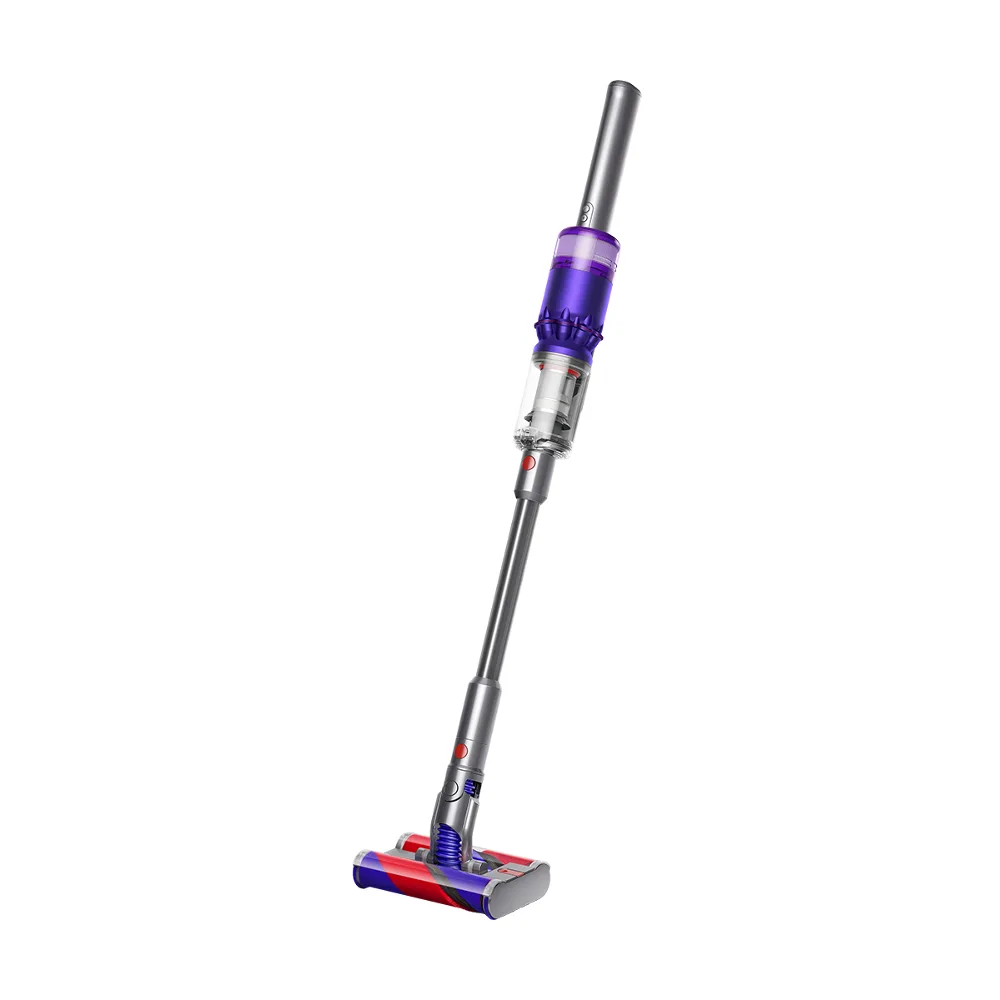
vs
Quick take: The Levoit AERO Cordless Vacuum Cleaner with Auto-Empty Station runs longer per charge (40 vs 20 min).
| Spec | Dyson Omni-glide | Levoit AERO Cordless Vacuum Cleaner with Auto-Empty Station |
|---|---|---|
| Price | ~$299 | ~$299 |
| Type | Cordless Stick | Cordless Stick |
| Suction | 175 W | 180 AW |
| Battery | 20 min | 40 min |
| Navigation | — | — |
| Filtration | Whole-machine HEPA-sealed | 5-Stage HEPA Filtration |
| Cordless | Yes | Yes |
| Bagged | No | No |
| Noise | — | — |
| Dustbin | 50 ml | 3.5 L |
| Water tank | — | — |
| Self-empty dock | No | No |
| Auto mop washing | No | No |
| Hot water washing | No | No |
| Obstacle avoidance | No | No |
| Carpet detection | No | No |
| Auto mop lifting | No | No |
| Multi-floor mapping | No | No |
| App control | No | Yes |
| Dimensions | — | 9.8 x 7.7 x 43.3 in |
| Weight | 4.2 lbs | 4.4 lbs |
| Warranty | 2 years | 2 years |
Pros & cons
Dyson Omni-glide
- ✓Extremely lightweight and easy to maneuver one-handed
- ✓Omnidirectional head fits into gaps as small as 8 inches
- ✓Lies flat for cleaning fully under low furniture
- ✓Two power modes and quick handheld conversion for spot cleans
- ✓Cheapest full-size Dyson stick that's still current, not a legacy leftover
- ✗Not designed or marketed for carpet — hard floors and low-pile only
- ✗20-minute max runtime is short even for a compact stick
- ✗50ml dustbin needs emptying constantly on anything but a quick tidy
- ✗No published air-watts suction figure, only motor wattage
Levoit AERO Cordless Vacuum Cleaner with Auto-Empty Station
- ✓Auto-empty station with a 3.5L bag means far less manual bin-emptying
- ✓180 AW is the strongest suction figure Levoit publishes for a stick vacuum
- ✓5-stage HEPA filtration with 99.99% claimed capture down to 0.3 microns
- ✓Detachable crevice tool runs up to 70 minutes on its own low setting
- ✓2-year warranty and VeSync app integration
- ✗Runtime collapses to just 6 minutes in Turbo mode with the main vacuum head
- ✗Currently listed 40% off from a $499.99 MSRP — confirm the sale price is still live before buying
- ✗Not sold on Amazon — direct from Levoit only, so no easy price-comparison shopping
- ✗No noise rating published
- ✗Too new to the US market for independent long-term reliability data