Tineco Pure ONE Station 5 vs Levoit VortexIQ Pro Cordless Stick Vacuum
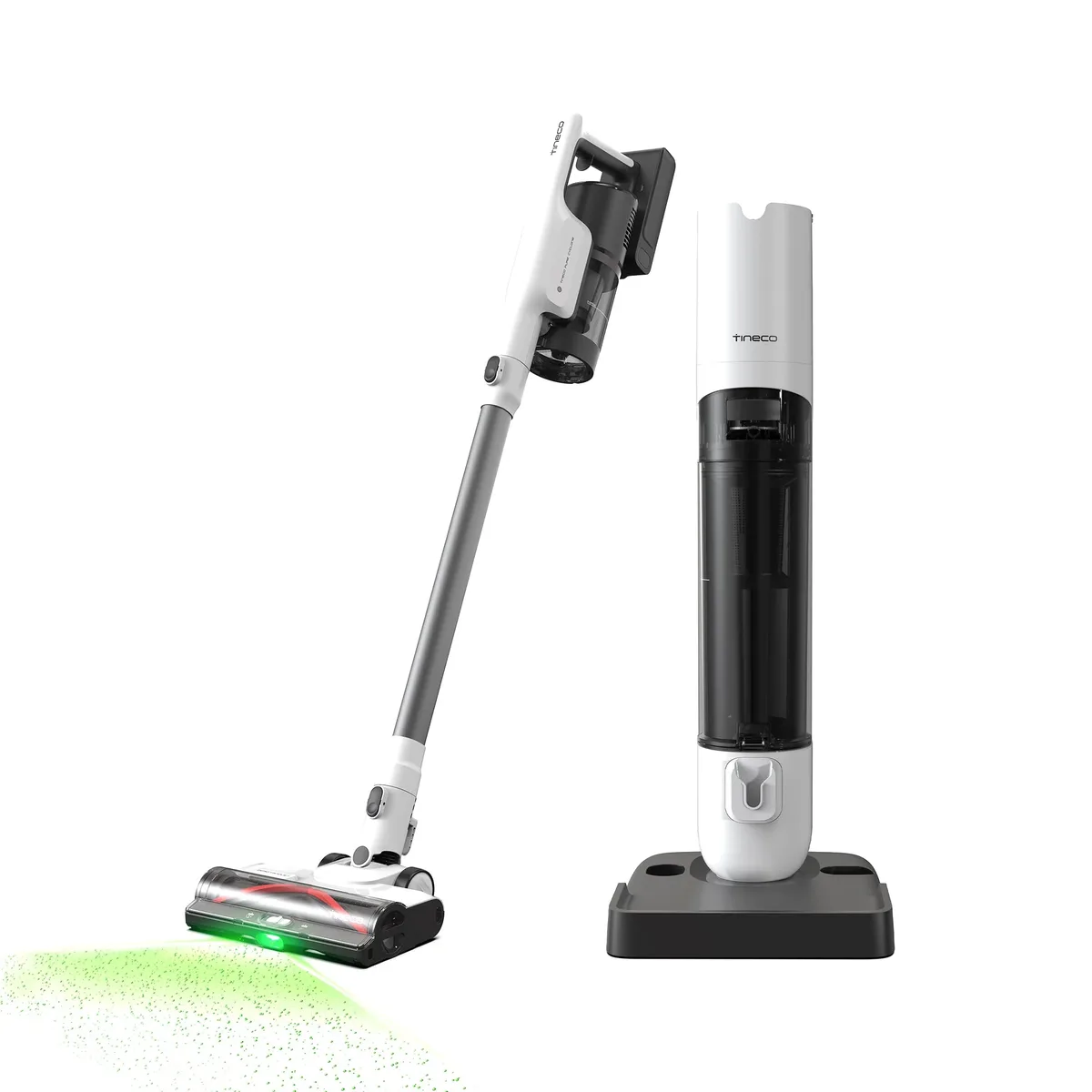
vs
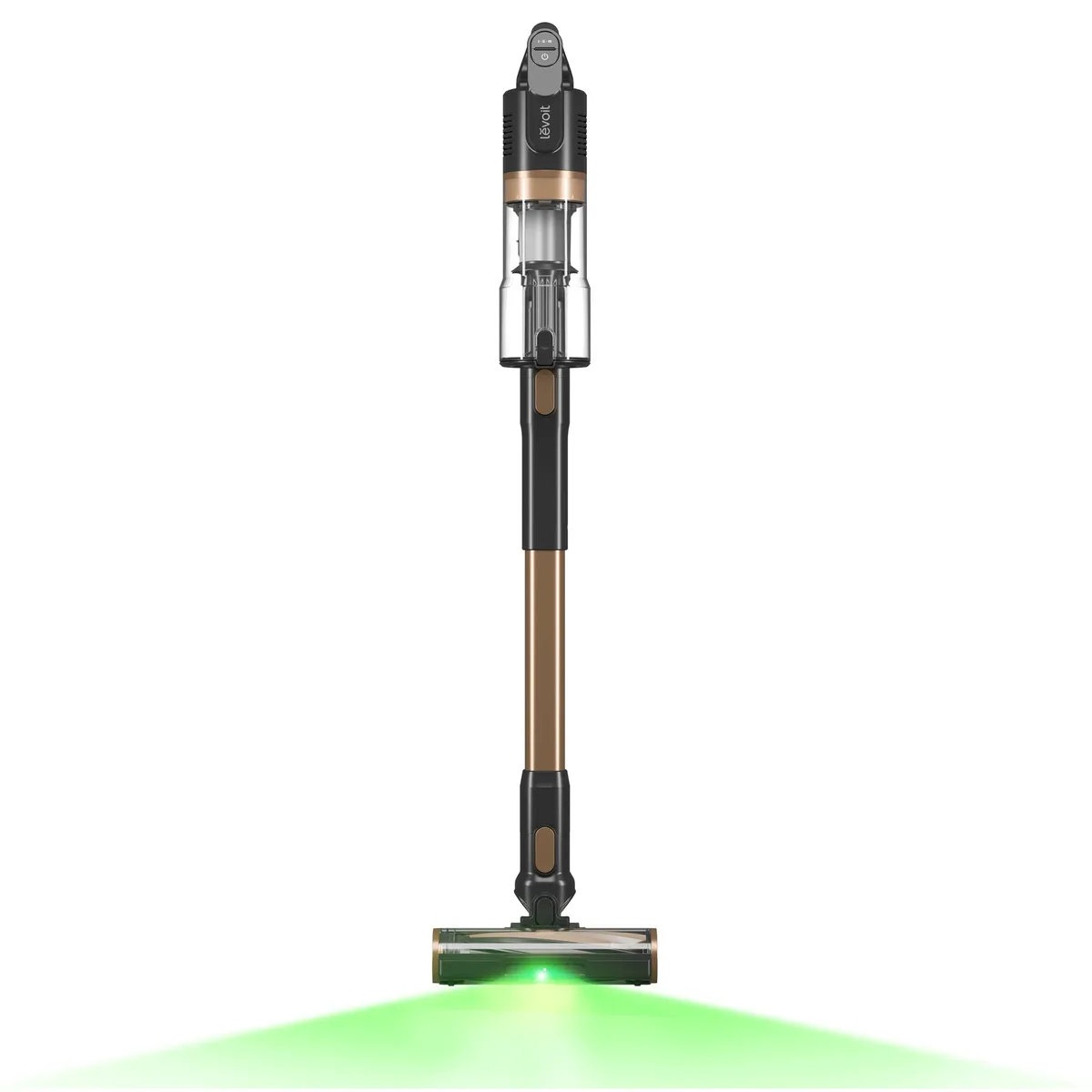
Quick take: The Tineco Pure ONE Station 5 runs longer per charge (70 vs 60 min).
| Spec | Tineco Pure ONE Station 5 | Levoit VortexIQ Pro Cordless Stick Vacuum |
|---|---|---|
| Price | ~$299 | ~$299 |
| Type | Cordless Stick | Cordless Stick |
| Suction | 175 AW | 110 AW |
| Battery | 70 min | 60 min |
| Navigation | — | — |
| Filtration | 12-stage filtration | 5-Stage HEPA Filtration |
| Cordless | Yes | Yes |
| Bagged | No | No |
| Noise | — | — |
| Dustbin | — | 850 ml |
| Water tank | — | — |
| Self-empty dock | No | No |
| Auto mop washing | No | No |
| Hot water washing | No | No |
| Obstacle avoidance | No | No |
| Carpet detection | No | No |
| Auto mop lifting | No | No |
| Multi-floor mapping | No | No |
| App control | Yes | Yes |
| Dimensions | — | — |
| Weight | — | 3.5 lbs |
| Warranty | 2 years | 2 years |
Pros & cons
Tineco Pure ONE Station 5
- ✓Full-path self-cleaning: station washes out brushroll, tube, filter, and bin on every dock
- ✓2.5L bagless station reservoir — no recurring bag costs, emptied only occasionally
- ✓iLoop smart sensor auto-boosts suction on dirty patches and shows when floors are actually clean
- ✓ZeroTangle brush resists hair wrap well in reviewer testing
- ✓Wide-angle headlight reveals fine dust ahead of the head
- ✓2-year warranty and a street price well under other station sticks
- ✗175AW trails Dyson/Dreame flagships — not the pick for deep-pile carpet
- ✗Station assembly is bulky and heavy to relocate between floors
- ✗Station's cleaning cycle adds noise after each session
- ✗Filtration is strong on paper but not sealed-HEPA marketed
- ✗App is nice-to-have rather than essential
Levoit VortexIQ Pro Cordless Stick Vacuum
- ✓110 AW suction is a real step up from the base VortexIQ's 80 AW
- ✓60-minute runtime and an LED display for battery/power tracking
- ✓Included mini motorized brush attachment for upholstery and stairs
- ✓NeoSight LED still highlights dust on hard floors
- ✓2-year warranty and VeSync app support
- ✗$299 puts it close to established competitors with longer track records
- ✗Not sold on Amazon — direct from Levoit only
- ✗No self-empty dock at this price, unlike some rivals
- ✗No noise rating published
- ✗Too new to the US market for independent long-term reliability data