Dyson V12 Detect Slim vs Dyson V10 Konical
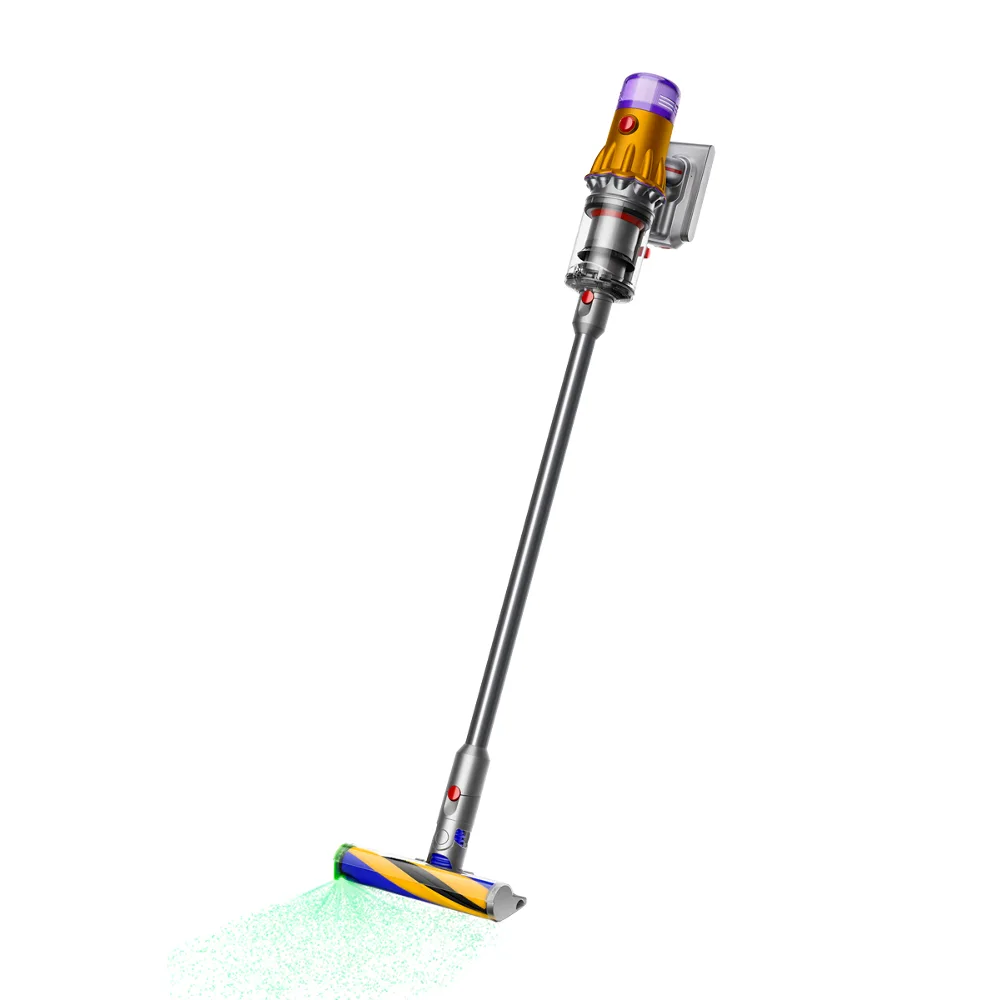
vs
Quick take: The Dyson V10 Konical costs $120 less.
| Spec | Dyson V12 Detect Slim | Dyson V10 Konical |
|---|---|---|
| Price | ~$620 | ~$500 |
| Type | Cordless Stick | Cordless Stick |
| Suction | 150 AW | 150 AW |
| Battery | 60 min | 60 min |
| Navigation | — | — |
| Filtration | Whole-machine HEPA-sealed | Whole-machine HEPA-sealed |
| Cordless | Yes | Yes |
| Bagged | No | No |
| Noise | — | — |
| Dustbin | 0.35 L | — |
| Water tank | — | — |
| Self-empty dock | No | No |
| Auto mop washing | No | No |
| Hot water washing | No | No |
| Obstacle avoidance | No | No |
| Carpet detection | No | No |
| Auto mop lifting | No | No |
| Multi-floor mapping | No | No |
| App control | No | No |
| Dimensions | — | — |
| Weight | 5.2 lbs | 5.75 lbs |
| Warranty | 2 years | 2 years |
Pros & cons
Dyson V12 Detect Slim
- ✓5.2 lbs makes daily and above-floor cleaning genuinely easy
- ✓Laser dust illumination and piezo particle counter carried over from the V15
- ✓Power button instead of a hold-down trigger
- ✓Click-in battery is removable and replaceable
- ✓Long-term owners report the light weight keeps it in daily use where heavier sticks sat idle
- ✓Whole-machine HEPA filtration at a lower price than the flagships
- ✗150AW is well below the V15/Gen5 — weaker on thick carpet
- ✗0.35L bin is small; expect multiple empties per whole-house clean
- ✗Owners report battery capacity declines noticeably after ~3 years of heavy use
- ✗Head is narrower than the flagships, so big rooms take longer
- ✗No app or smart connectivity
Dyson V10 Konical
- ✓Conical brush bars specifically engineered against long-hair wrap
- ✓All Floors Cones head illuminates dust and adapts to hard floor and carpet
- ✓Auto-empty Dok option (sold separately) is Dyson's first self-emptying cordless dock
- ✓Cheaper than the V11/V15/Gen5 lines while sharing the same de-tangling design language
- ✓60-minute max runtime
- ✗150AW suction is noticeably below the V11 (185AW) and V15/Gen5 (240-250AW) lines
- ✗Auto-empty Dok is a separate purchase, not included at this price
- ✗No laser dust reveal or particle sensor
- ✗Manufacturer-published dustbin capacity not listed on the pages found during research
- ✗New enough (2026) that independent long-term reliability data is still thin