Dyson V12 Detect Slim vs Dyson PencilVac Fluffycones
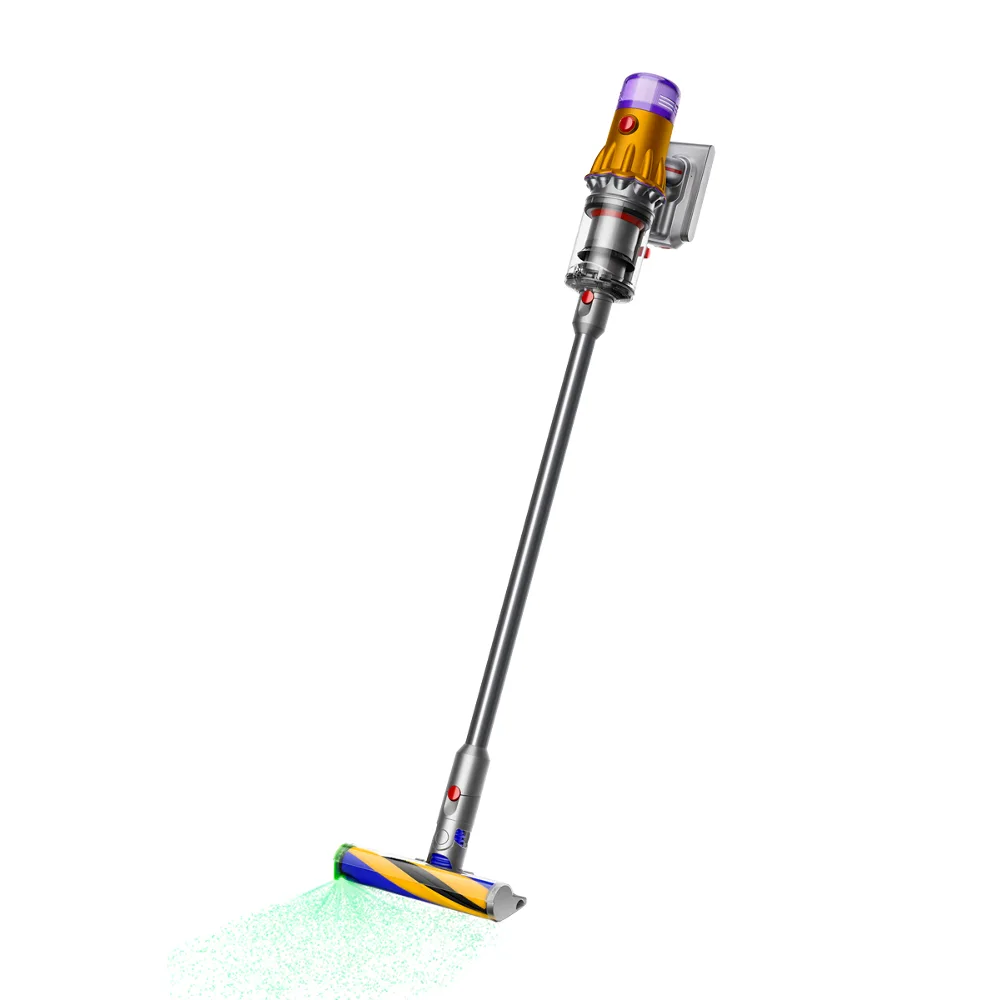
vs
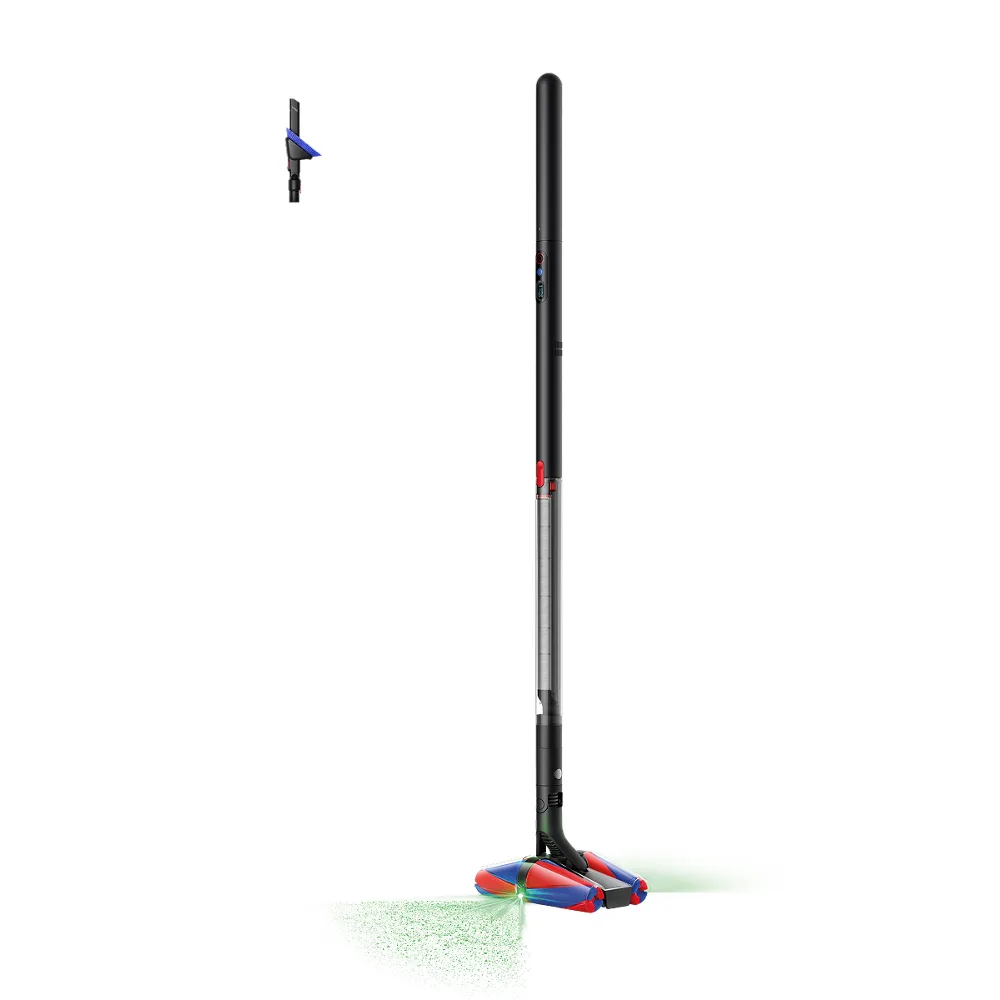
Quick take: The Dyson PencilVac Fluffycones costs $9 less; the Dyson V12 Detect Slim runs longer per charge (60 vs 30 min).
| Spec | Dyson V12 Detect Slim | Dyson PencilVac Fluffycones |
|---|---|---|
| Price | ~$450 | ~$441 |
| Type | Cordless Stick | Cordless Stick |
| Suction | 150 AW | 55 AW |
| Battery | 60 min | 30 min |
| Navigation | — | — |
| Filtration | Whole-machine HEPA-sealed | Whole-machine HEPA-sealed |
| Cordless | Yes | Yes |
| Bagged | No | No |
| Noise | — | — |
| Dustbin | 0.35 L | 75 ml |
| Water tank | — | — |
| Self-empty dock | No | No |
| Auto mop washing | No | No |
| Hot water washing | No | No |
| Obstacle avoidance | No | No |
| Carpet detection | No | No |
| Auto mop lifting | No | No |
| Multi-floor mapping | No | No |
| App control | No | No |
| Dimensions | — | — |
| Weight | 5.2 lbs | 3.9 lbs |
| Warranty | 2 years | 2 years |
Pros & cons
Dyson V12 Detect Slim
- ✓5.2 lbs makes daily and above-floor cleaning genuinely easy
- ✓Laser dust illumination and piezo particle counter carried over from the V15
- ✓Power button instead of a hold-down trigger
- ✓Click-in battery is removable and replaceable
- ✓Long-term owners report the light weight keeps it in daily use where heavier sticks sat idle
- ✓Whole-machine HEPA filtration at a lower price than the flagships
- ✗150AW is well below the V15/Gen5 — weaker on thick carpet
- ✗0.35L bin is small; expect multiple empties per whole-house clean
- ✗Owners report battery capacity declines noticeably after ~3 years of heavy use
- ✗Head is narrower than the flagships, so big rooms take longer
- ✗No app or smart connectivity
Dyson PencilVac Fluffycones
- ✓Genuinely fits into gaps a standard stick vacuum body can't
- ✓Lightest full-size Dyson stick by a wide margin — easy overhead and stair use
- ✓Air-compressing bin claims roughly 5x the effective capacity of its 75ml physical size
- ✓Converts to a 1.7 lb handheld for spot cleaning
- ✓Four Fluffycones brush strips designed specifically for fine hard-floor debris
- ✗55AW suction is a fraction of the Gen5detect/V15's 240-250AW — this is not a suction upgrade
- ✗Physical 75ml dustbin still needs frequent emptying regardless of compression claims
- ✗Just launched in the US (Feb 2026) — minimal independent long-term reliability data exists yet
- ✗Priced close to the V15 Detect despite meaningfully lower suction